
Cortisol, Fatigue & Brain Fog: The Stress–Nutrient Connection
- Jan 5
- 3 min read
Why This Happens
If you’re experiencing:
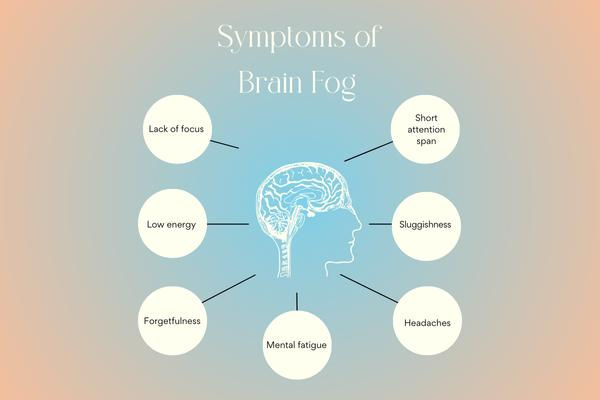
Ongoing fatigue
Brain fog
Low energy despite rest
…it’s often assumed to be “just stress” or “just menopause.”
But the underlying issue is usually more specific:
👉 The interaction between cortisol (your stress hormone) and nutrient balance
Cortisol is essential for:
Energy regulation
Blood sugar control
Focus and alertness
However, when stress becomes chronic, cortisol patterns become disrupted rather than helpful.
Instead of a natural rhythm, many people experience:
Elevated cortisol at night → poor sleep
Blunted cortisol in the morning → low energy
Irregular spikes throughout the day → crashes and brain fog
At the same time, chronic stress increases the body’s demand for key nutrients.
👉 This creates a cycle:
Stress → nutrient depletion → reduced energy → increased stress

What Science Says
Cortisol is regulated by the hypothalamic-pituitary-adrenal (HPA) axis, which controls the body’s response to stress.
Under normal conditions:
Cortisol peaks in the morning → supports wakefulness
Gradually declines → supports sleep at night
🔬 Effects of Chronic Stress
When stress is prolonged:
The HPA axis becomes dysregulated
Cortisol rhythm becomes inconsistent
Recovery capacity is reduced
This contributes to:
Persistent fatigue
Difficulty concentrating
Sleep disruption
Increased inflammation
⚡ Nutrient Depletion Under Stress
Chronic stress increases the use of key nutrients, including:
Magnesium → involved in relaxation and nerve function
B vitamins → essential for energy production
Vitamin C → used in adrenal hormone production
Electrolytes → important for nerve signalling and hydration
When these are depleted:
Energy production becomes less efficient
Brain function slows
Stress resilience decreases
👉 This is why fatigue and brain fog often persist even when rest is adequate.
For some women, using a balanced daily support approach can help maintain consistency — particularly when nutrients and hydration are supported together.
Practical Support Steps
✔ 1. Support Cortisol Rhythm (Not Just Reduce Stress)
Focus on restoring natural patterns:
Morning light exposure
Consistent wake/sleep times
Avoiding late-night stimulation
✔ 2. Stabilise Blood Sugar
Cortisol and blood sugar are closely linked.
Support stability by:
Eating regular meals
Including protein and fibre
Avoiding large sugar spikes
✔ 3. Prioritise Nutrient Intake
Ensure adequate intake of:
Magnesium
B vitamins
Vitamin C
Electrolytes
👉 These support both energy and stress resilience.
Understanding how your body absorbs and uses nutrients is also important. You may find this helpful:
✔ 4. Hydration Matters
As explored in your hydration blog:
Stress increases fluid loss
Electrolyte balance is essential
👉 You may find this helpful:Why does hydration matter more during menopause?
Understanding how your body absorbs and uses nutrients is also important. You may find this helpful:
✔ 5. Reduce Cognitive Overload
Chronic mental load contributes to sustained cortisol activation.
Simple strategies:
Break tasks into smaller steps
Reduce multitasking
Build recovery time into your day
Why This Matters
Fatigue and brain fog are often treated as isolated symptoms.
But in many cases, they reflect:
👉 A system under stress + lacking support
Understanding the connection between cortisol and nutrients allows for:
More targeted support
Improved energy stability
Better cognitive function
How I Support This
This is where many women feel stuck — they are resting more, trying to “manage stress,” but still feel exhausted.
That’s because recovery is not just about reducing stress.
👉 It’s about supporting the body’s ability to respond to it.
Support focuses on:
Restoring daily rhythms
Supporting nutrient intake
Building sustainable routines
If you’re experiencing ongoing fatigue, brain fog, or low energy:
👉 You don’t need to work it out alone.
💬 You can start with a simple conversation or explore what support feels right for you.
👉 Book a free 10-minute support call:https://calendly.com/healthmattersuk/free-10-minute-support-call
If you’d prefer to explore more first, you can start here:
If you’re finding that fatigue and brain fog aren’t improving, it may not just be about rest — it may be about supporting how your body responds to stress and uses nutrients.
💬 You can explore simple ways to support hydration, energy, and daily balance HERE
FAQs
Can stress cause brain fog?
Yes. Elevated or dysregulated cortisol can affect cognitive function, including attention, memory, and clarity.
Why am I tired even when I rest?
Chronic stress can disrupt cortisol rhythm and deplete nutrients, meaning rest alone may not restore energy effectively.
Does hydration affect stress?
Yes. Fluid and electrolyte balance influence nerve function, energy levels, and the body’s stress response.
The Takeaway
👉 Fatigue and brain fog are not just “stress” — they are often the result of disrupted cortisol patterns and nutrient imbalance.
Supporting both the stress response and nutrient status is key to improving energy, clarity, and overall wellbeing.


Comments