
What Pathways Are Available in Archery? (And What If You Don’t Want to Compete?)
- May 25
- 4 min read
Archery is often associated with tournaments, medals, and elite performance.But one of the biggest misconceptions about archery is that competition is the “main goal.”
In reality, archery offers multiple pathways depending on what you enjoy most.
Some archers love competition.Others enjoy the social side, coaching, wellbeing benefits, historical archery, field shooting, or simply the satisfaction of improving quietly at their own pace.
There is no single “correct” way to participate in archery.
Why This Matters
Many beginners worry that once they start archery, they will eventually be pressured into competing.
For some people, competition is exciting and motivating.For others, it creates stress, removes enjoyment, or simply does not fit their personality.
That is perfectly acceptable.
Archery is one of the few sports where you can participate:
recreationally
socially
competitively
therapeutically
professionally
educationally
or purely for personal enjoyment
without needing to follow the same pathway as everyone else.

What Science Says About Motivation in Sport
Research in sport psychology consistently shows that long-term participation is heavily influenced by intrinsic motivation— meaning people continue activities because they personally enjoy them.
Not everyone is motivated by:
rankings
medals
winning
external pressure
Many people remain involved in sport because of:
wellbeing
mastery
social connection
stress reduction
identity
enjoyment
personal growth
Archery is particularly good at supporting these forms of motivation because progress is measurable without requiring direct competition against others.
An archer can improve:
technique
consistency
focus
breathing control
mental regulation
body awareness
without ever entering a tournament.
The Different Pathways Available in Archery
1. Recreational Archery
This is the pathway most archers quietly follow.
You shoot because:
you enjoy it
it relaxes you
you like learning
you enjoy the club environment
you want a low-impact activity
you enjoy spending time outdoors
There is absolutely nothing “lesser” about recreational archery.
Many lifelong archers never compete seriously and still become highly skilled.
2. Competitive Archery
Competition is only one pathway.
This can range from:
friendly club shoots
postal leagues
local competitions
county events
regional tournaments
national championships
international competition
Some archers enjoy:
performance pressure
goal-setting
rankings
testing themselves under stress
Others may enjoy occasional club competitions without wanting high-level tournament involvement.
You do not need to become elite to enjoy competitive shooting.

3. Coaching & Instructor Development
Some archers discover they enjoy helping others more than shooting competitively themselves.
Coaching pathways can include:
beginner instruction
club coaching
youth development
performance coaching
coach education
mentoring new archers
For many people, helping someone hit their first gold can feel just as rewarding as personal achievement.
This pathway allows archers to remain deeply involved in the sport while contributing to the community.
4. Field Archery & Traditional Archery
Not all archery happens on a flat target range.
Some archers prefer:
woodland shooting
field courses
instinctive shooting
traditional bows
longbows
historical archery
These pathways often attract people who enjoy:
outdoor experiences
movement through natural environments
less formal shooting styles
historical skill development
For some people, this style of archery feels far more enjoyable than formal target competition.
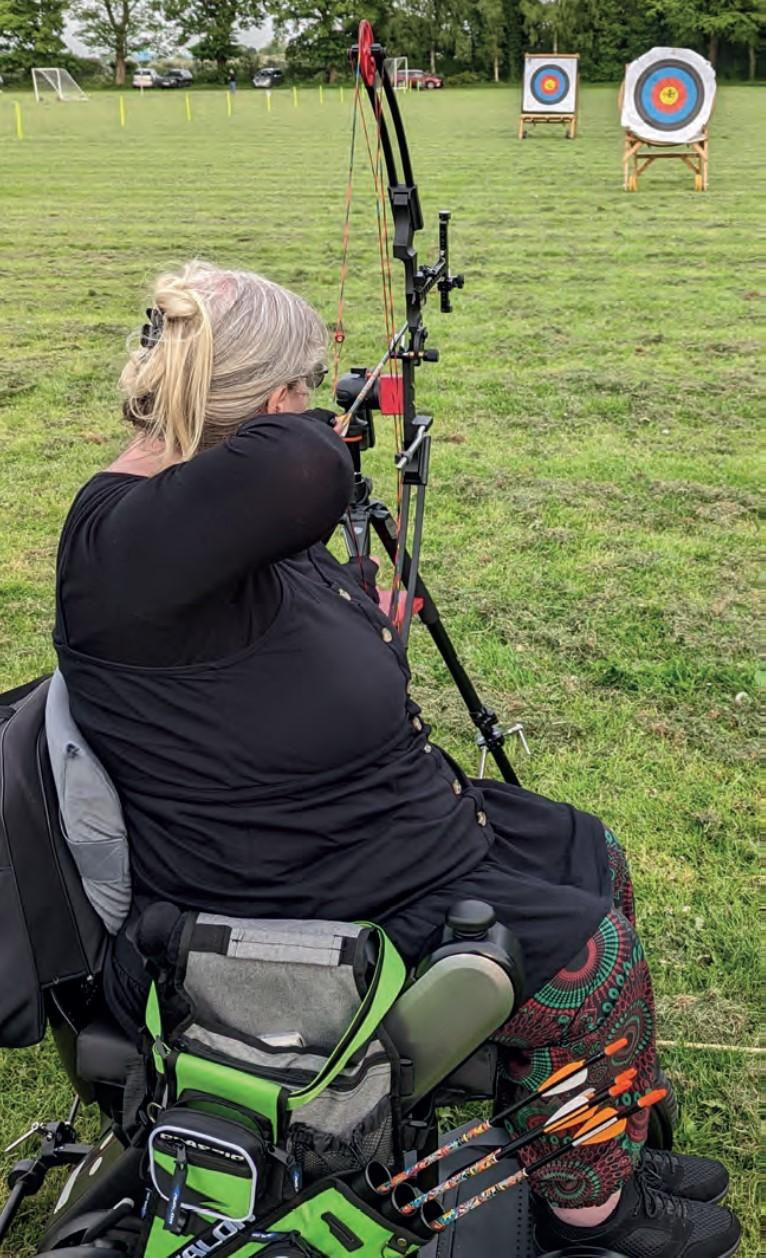
5. Archery for Wellbeing & Rehabilitation
Archery is increasingly recognised for its wellbeing benefits.
Because sessions can often be adapted to individual capacity,
archery may support:
stress management
confidence rebuilding
focus and concentration
injury rehabilitation
gentle physical activity
social connection
emotional regulation
Many archers participate primarily because the sport improves their mental wellbeing.
This is particularly important for:
older adults
people returning from injury
individuals managing chronic conditions
those seeking lower-impact physical activity
6. Volunteer & Club Support Roles
Archery clubs rely heavily on volunteers.
Not everyone’s pathway needs to involve shooting at all times.
Some people contribute through:
event organisation
judging
equipment support
committee work
beginner session assistance
safeguarding roles
administration
mentoring
Healthy clubs are built by communities, not only competitors.
What If You Don’t Want to Compete?
Then don’t.
That answer genuinely is enough.
You do not need to justify enjoying archery recreationally.
Some archers:
never compete
compete once and decide it is not for them
compete casually
return to recreational shooting later
move between pathways over time
Your relationship with archery can evolve naturally.
In fact, many archers discover they improve more when external pressure is removed.
Without competition stress, people often:
focus better on technique
enjoy practice more
remain in the sport longer
develop healthier motivation
avoid burnout
The sport belongs equally to:
competitive archers
recreational shooters
coaches
volunteers
wellbeing-focused participants
traditional archers
social club members
There is room for all of them.
Practical Support Steps for New Archers
If you are new to archery, consider asking yourself:
What do I actually enjoy most?
Technical improvement?
Relaxation?
Social connection?
Competition?
Outdoor shooting?
Coaching others?
What environment suits me best?
Structured target shooting?
Relaxed club sessions?
Field courses?
Smaller clubs?
Larger performance environments?
What pace feels right?
There is no need to rush into:
expensive equipment
classifications
tournaments
performance expectations
Long-term enjoyment matters more than short-term pressure.
How We Support This Approach
At Health Matters UK, we believe sport should be adaptable to the individual — not the other way around.
Archery can provide:
challenge without excessive impact
focus without chaos
progression without comparison
community without pressure
That is one reason Gregers wrote Golden Arrows: A Gentle Guide to Archery for Seniors, Rehab & Joint-Sensitive Shooters — helping show that archery can remain inclusive, accessible, and enjoyable regardless of age, background, or competitive ambition.
You can buy the book here

Comments